Task 1: Introduction
Introduction
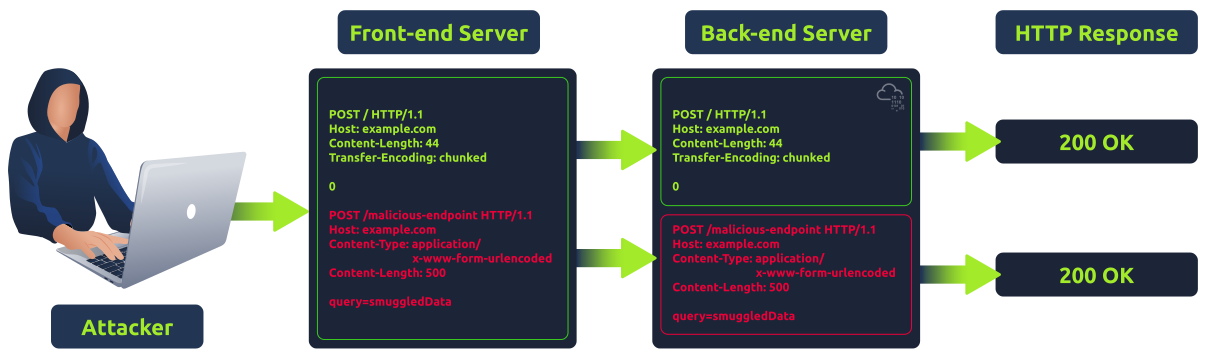
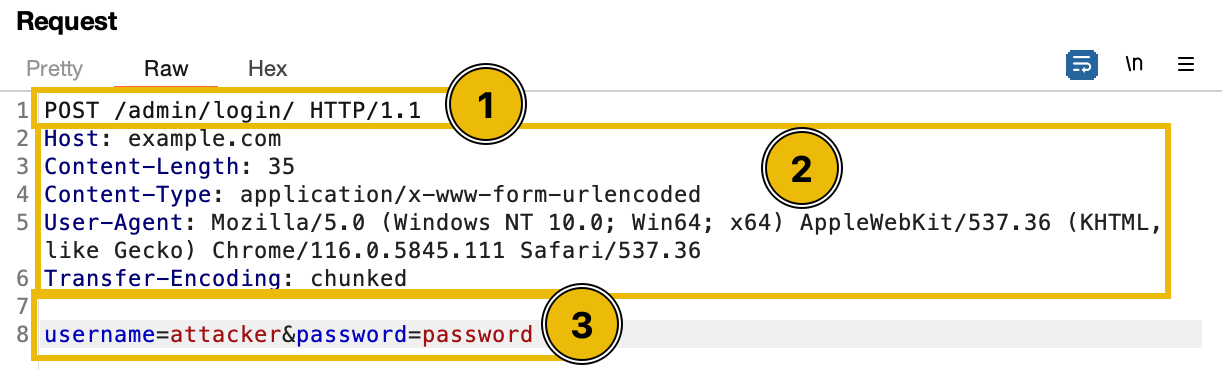
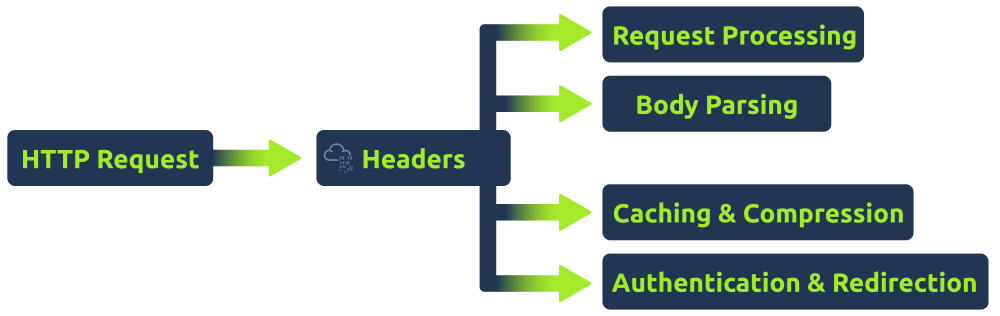
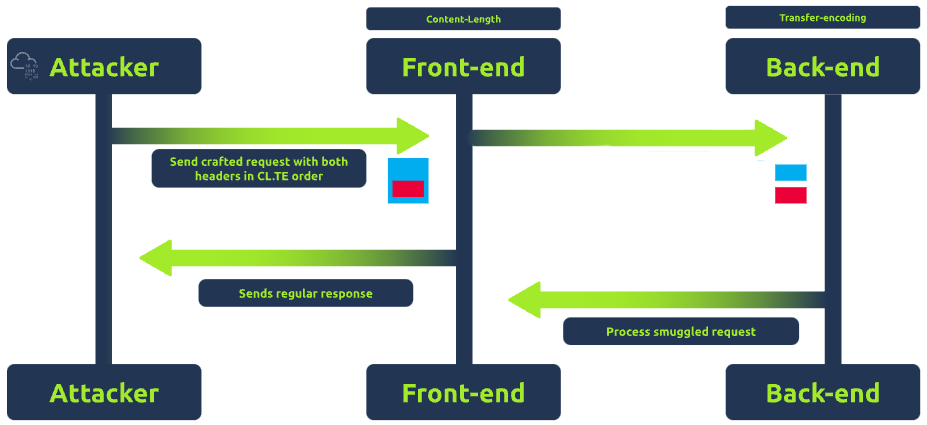
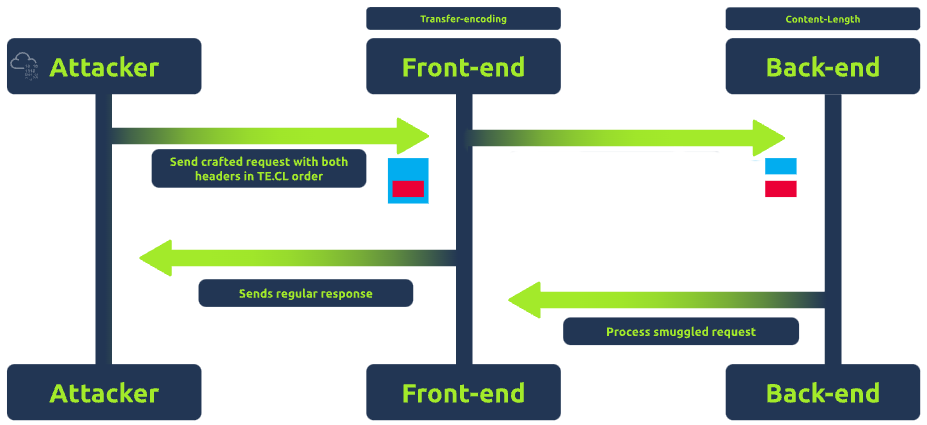
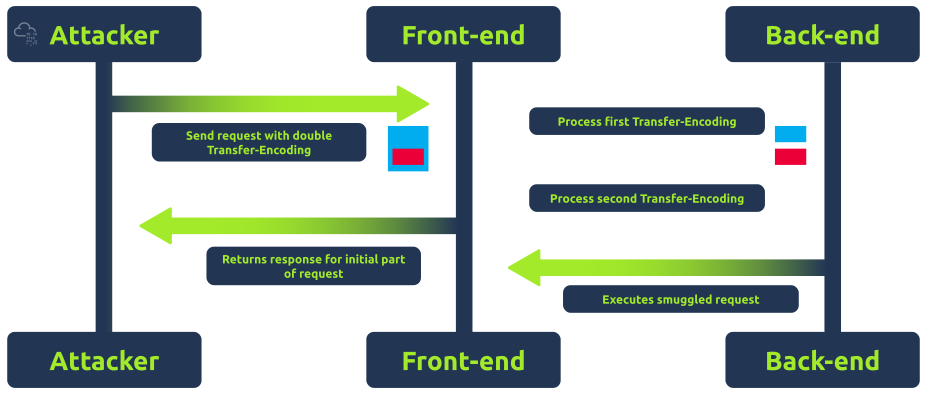
HTTP Request Smuggling is a vulnerability that arises when there are mismatches in different web infrastructure components. This includes proxies, load balancers, and servers that interpret the boundaries of HTTP requests. For example, consider a train station where tickets are checked at multiple points before boarding. If each checkpoint has different criteria for a valid ticket, a traveller could exploit these inconsistencies to board a train without a valid ticket. Similarly, in web requests, this vulnerability mainly involves the Content-Length and Transfer-Encoding headers, which indicate the end of a request body. When these headers are manipulated or interpreted inconsistently across components, it may result in one request being mixed with another.
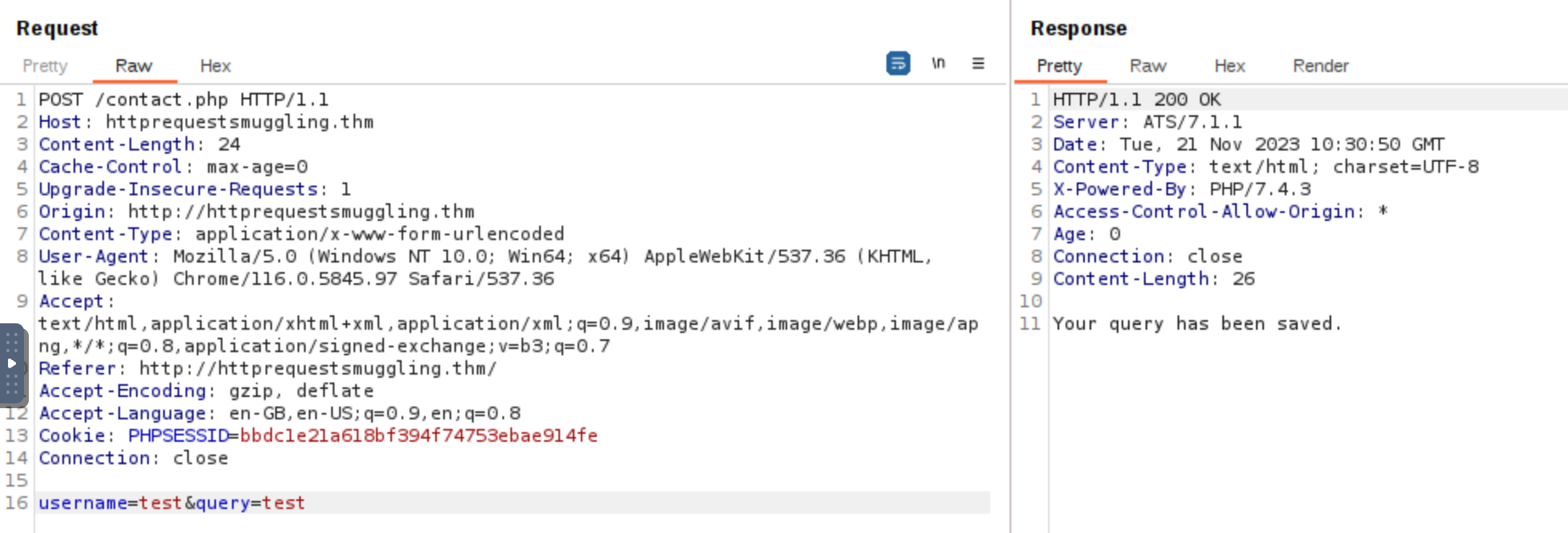
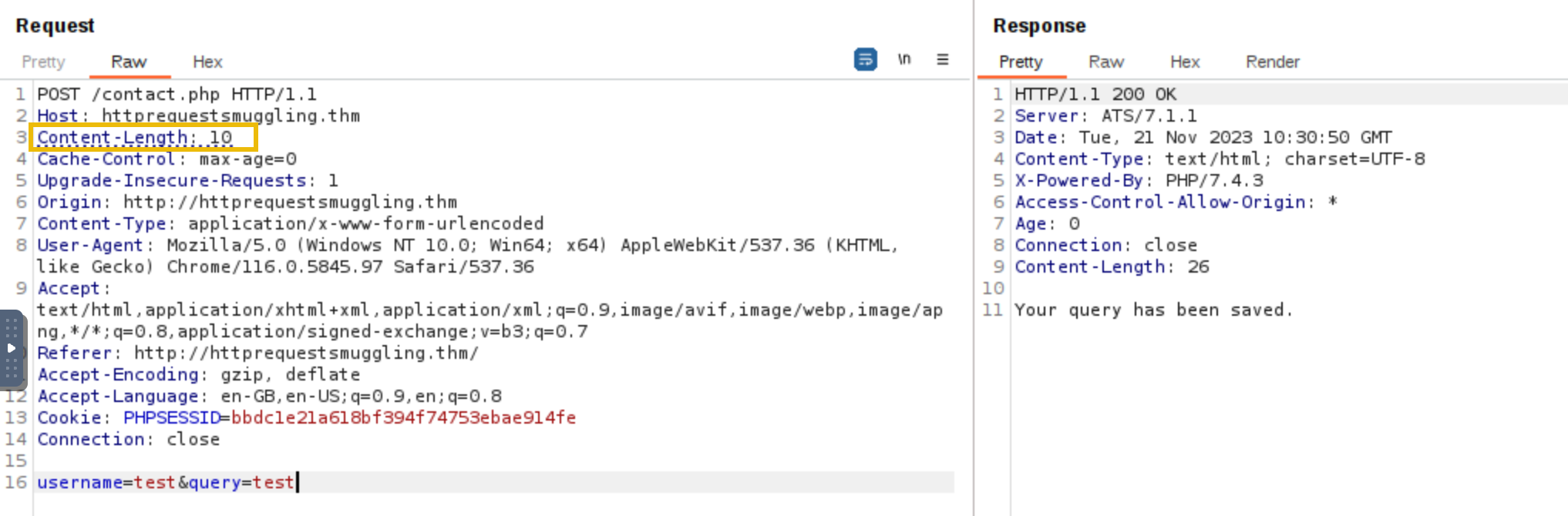
Request splitting or HTTP desync attacks are possible because of the nature of keep-alive connections and HTTP pipelining, which allow multiple requests to be sent over the same TCP connection. Without these mechanisms, request smuggling wouldn't be feasible. When calculating the sizes for Content-Length (CL) and Transfer-Encoding (TE), it's crucial to consider the presence of carriage return \r and newline \n characters. These characters are not only part of the HTTP protocol's formatting but also impact the calculation of content sizes.
While testing for request smuggling vulnerabilities, it's important to note that some tools might automatically "fix" the Content-Length header by default. This means if you're using such tools to run payloads, your Content-Length values might get overwritten, potentially changing the test results.
Note that testing for request smuggling can potentially break a website in many ways (cache poisoning, other user requests may start failing, or even the back-end pipeline might get fully desynced), so extreme care should be taken when testing this on a production website.
Objectives
- Understand what HTTP Request Smuggling is and its impact.
- Identify HTTP Request Smuggling vulnerabilities in web applications.
- Exploit these vulnerabilities in a controlled environment.
- Understand and apply measures to mitigate and prevent these vulnerabilities.
Pre-requisites
- Basic understanding of HTTP/1.1 protocol and its headers. You can take a look at this room for a more detailed explanation.
- Familiarity with web server infrastructure components like load balancers, proxies, and web servers.
- Basic understanding and usage of a proxy tool like Burp Suite.
Importance of Understanding HTTP Request Smuggling
- Smuggled requests might evade security mechanisms like Web Application Firewalls. This potentially leads to unauthorized access or data leaks.
- Attackers can poison web caches by smuggling malicious content, causing users to see incorrect or harmful data.
- Smuggled requests can be chained to exploit other vulnerabilities in the system, amplifying the potential damage.
- Due to the intricate nature of this vulnerability, it can often go undetected, making it crucial for security professionals to understand and mitigate it.
Answer the questions below
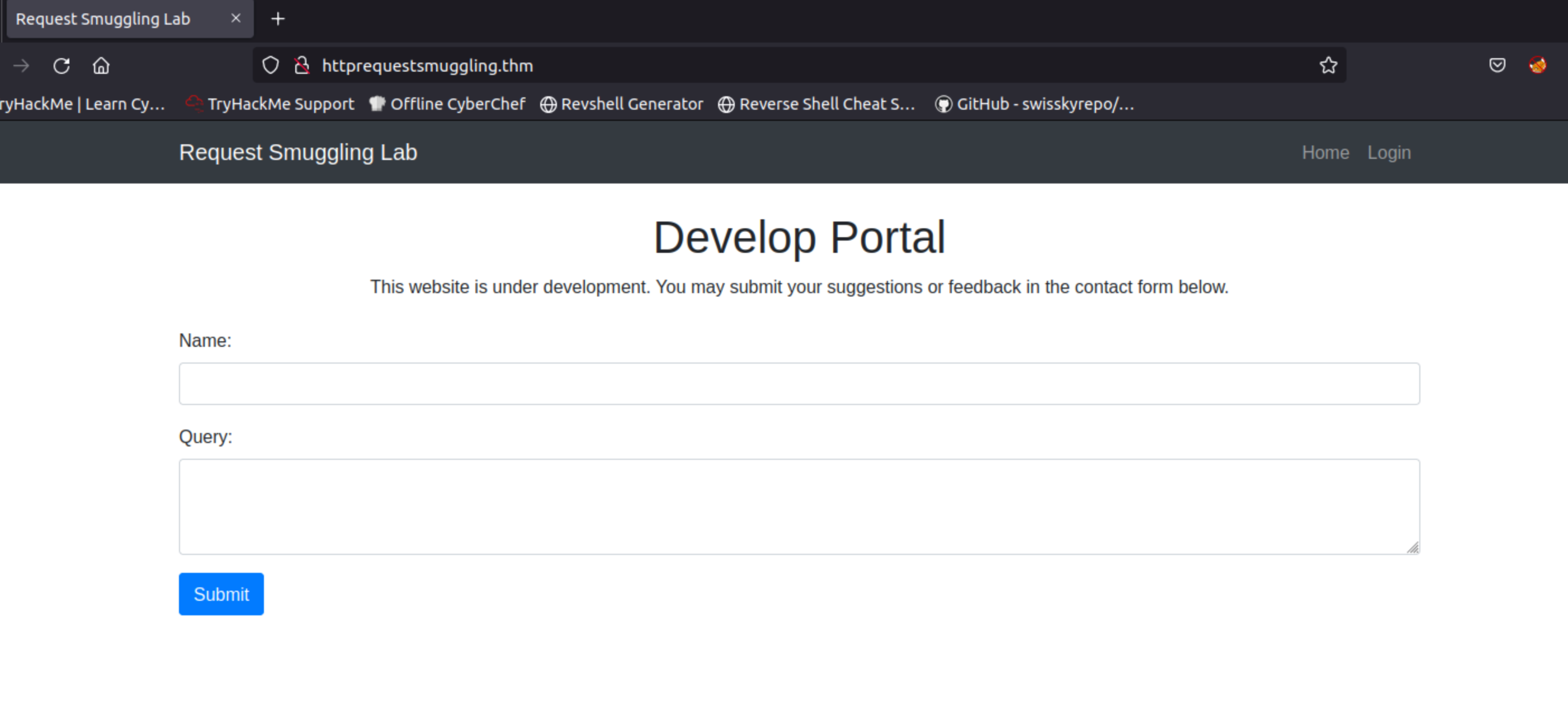
- Deploy the target VM attached to this task by pressing the green Start Lab Machine button. After obtaining the machine's generated IP address, you can either use our AttackBox or your own VM connected to TryHackMe's VPN.