Task 1: Introduction
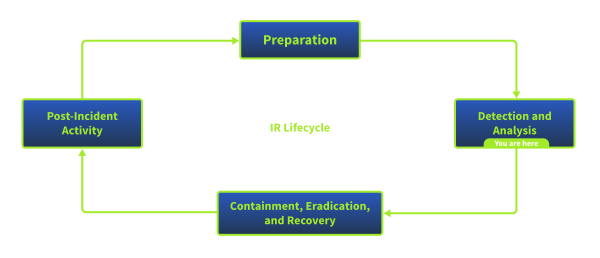
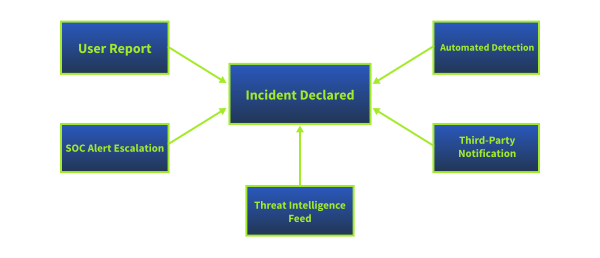
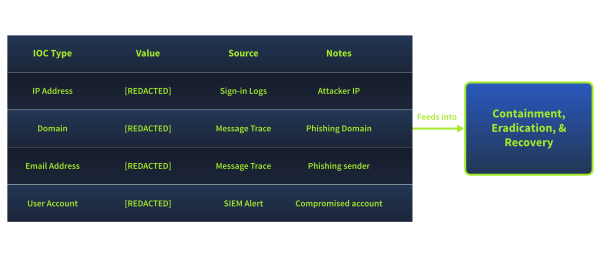
The Detection and Analysis phase is where the incident response process begins. An alert has been raised at Nexus Financial. Your job is to confirm whether a security incident has occurred, understand how the attacker got in, and determine the full extent of the damage. Every decision that you make in the upcoming rooms depends on how thoroughly this phase is completed.
Learning Objectives
- Understand what Detection and Analysis means as a NIST IR phase
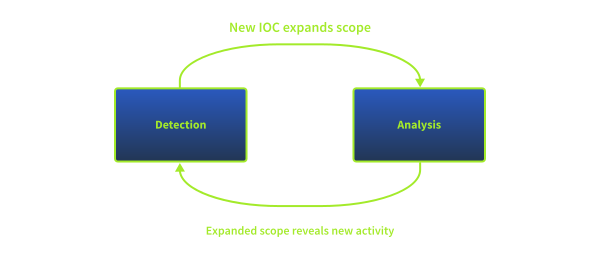
- Understand how detection and analysis work together to build the full picture of an incident
- Recognize the feedback loop between detection and analysis
- Explore the common IR triggers
- Learn about team communication during an IR
- Apply detection and analysis to investigate a compromised account using Splunk
Prerequisites
Familiarity with Splunk SPL queries is required for the practical tasks. It is also recommended to complete the Microsoft 365 for the SOC module before starting this room.
Module Chain
This module follows a single security incident at Nexus Financial from start to finish across four rooms:
| Room | What You Do |
|---|---|
| 1 - Preparation | Review Nexus Financial's security posture before the attack |
| 2 - Detection and Analysis | Detect the incident and analyze it in Splunk |
| 3 - Response and Recovery | Make containment decisions, confirm the attacker is gone, and identify root causes |
| 4 - Post-Incident Activity | Reconstruct the timeline of the attack and revisit what went wrong |
Note: This is Room 2 of 4 in the Incident Response module. The preparation gaps identified in the Preparation room are the exact vulnerabilities the attacker exploits here. What you find in this room feeds directly into the Response and Recovery room.
Answer the questions below
I am ready to start!