Task 1: Introduction
In web application security, content refers to anything hosted on a web server, such as pages, files, directories, admin portals, configuration files, and backup archives. Content discovery is the process of finding content that wasn't meant to be publicly accessible or isn't linked anywhere obvious.
This content could be staff portals, older versions of the site, exposed backup files, or administration panels. Finding it is a core part of any web application penetration test.
There are three main approaches to content discovery: manual, automated, and OSINT (Open-Source Intelligence). This room covers all three.
Learning Objectives
By the end of this room, you'll be able to:
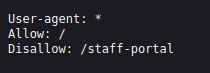
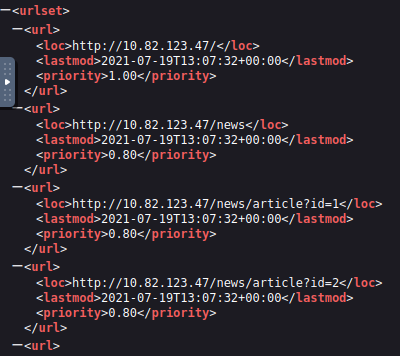
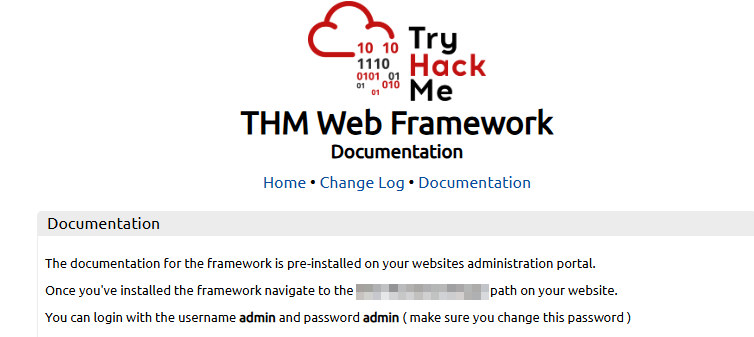
- Manually discover hidden content using robots.txt, sitemap.xml, favicons, HTTP headers, and framework analysis
- Use OSINT tools, including Google dorking, Wappalyzer, the Wayback Machine, GitHub, and S3 bucket enumeration
- Use Gobuster to brute-force directories, subdomains, and virtual hosts
- Apply a structured content discovery methodology in a penetration test
Prerequisites
You should have an understanding of the following rooms before starting:
Machine Access
Answer the questions below
I am ready to learn about content discovery!